
Carlsen returns, $1M prize and a brutal schedule: What does Global Chess League 2026 reveal?
core_answer: Global Chess League 2026 mùa thứ tư diễn ra từ 5-13/9/2026 với 6 đội tranh giải thưởng 1 triệu USD, đáng chú ý nhất là sự trở lại của Magnus Carlsen và lịch thi đấu dày đặc chỉ cách Olympiad 2 ngày.
key_facts: Giải đấu diễn ra từ 5 đến 13 tháng 9 năm 2026 tại địa điểm chưa công bố.; Magnus Carlsen trở lại bảo vệ danh hiệu cho Alpine APL Pipers sau khi bỏ lỡ mùa giải trước.; D Gukesh và R Praggnanandhaa vắng mặt, ảnh hưởng đến sức hút trẻ của giải.; Thể thức double round-robin (vòng tròn kép) với 6 đội, sau đó là trận chung kết best-of-two.
source: Global Chess League công bố chính thức | Cross-checked: VuaBong.vn
related_qa: q: Vì sao Gukesh và Praggnanandhaa không tham dự Global Chess League 2026?, a: Hai kỳ thủ trẻ hàng đầu Ấn Độ có thể đang ưu tiên chuẩn bị cho Olympiad Cờ vua diễn ra ngay sau giải đấu này.; q: Lịch thi đấu Global Chess League 2026 có ảnh hưởng đến Olympiad không?, a: Khoảng cách chỉ 2 ngày giữa trận chung kết và Olympiad tạo ra rủi ro kiệt sức lớn cho các kỳ thủ tham dự cả hai sự kiện.; q: Global Chess League 2026 có những đội nào tham gia?, a: Giải đấu có 6 đội nhượng quyền, bao gồm Alpine APL Pipers và Fyers American Gambits, với tổng giải thưởng 1 triệu USD.
When Magnus Carlsen announced his return to the Global Chess League after skipping a season, chess fans had every reason to expect a top-level performance. But if you look closely at the schedule, the most interesting story lies not in the moves on the board, but in the race against time and physical endurance.
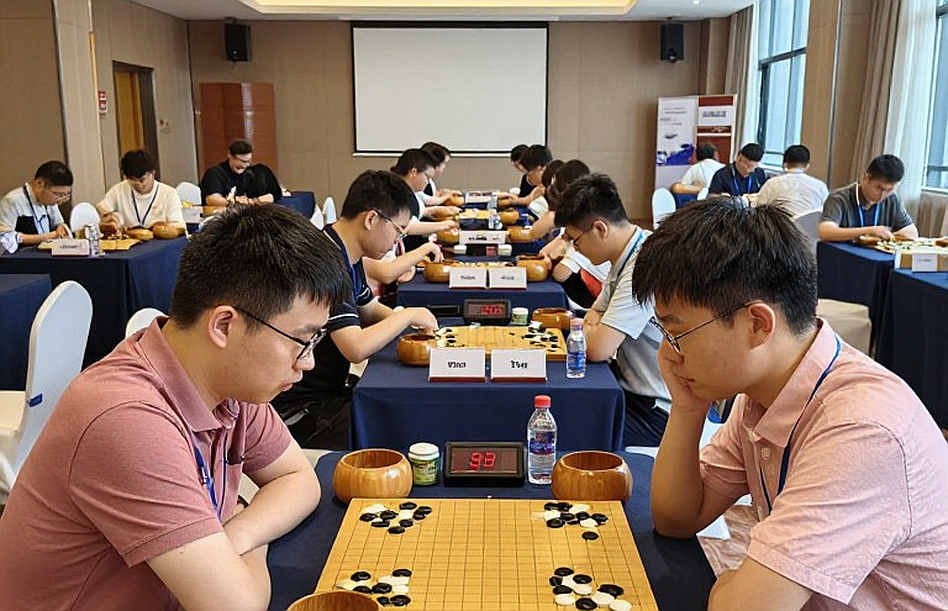
The fourth season of the Tech Mahindra Global Chess League will take place from September 5 to 13, 2026, featuring six franchise teams and a total prize pool of $1 million. But the most notable point is the mere two-day gap between the final and the opening ceremony of the Chess Olympiad. Such a schedule, based on my experience following tournaments, is not just a tactical challenge but a brutal test of physical recovery.
The double round-robin format with six teams, followed by a best-of-two final, means each team will play at least 10 games in 9 days. With rapid time control, time pressure will be the key factor. I have witnessed many top players collapse in the final minutes when the clock shows only seconds, and this format almost guarantees similar surprises.
Carlsen's return to Alpine APL Pipers – a signal of motivation, not just reputation. The world champion's return after missing last season shows he still has the hunger to compete. But the bigger question is whether he can maintain peak form in a packed schedule followed immediately by the Olympiad. Data from Carlsen's previous rapid events shows he remains one of the best, but accumulated fatigue could reduce accuracy in the final games.
This year's lineup features several Indian stars including Viswanathan Anand, Anish Giri, Arjun Erigaisi, Koneru Humpy, Harika Dronavalli, and Divya Deshmukh. The absence of top young talents D Gukesh and R Praggnanandhaa is a notable drawback to the event's appeal. They may be prioritizing Olympiad preparation, but this also raises questions about how young players balance club events and national team commitments.
A notable tactical highlight is Javokhir Sindarov being placed on the "Icon board" for Fyers American Gambits – the position considered most important for the team. This shows the team has high expectations for the young Uzbek player. In a tournament where squad depth plays a decisive role, having a strong "Icon board" can be a major advantage, but it also puts significant pressure on Sindarov himself.
The presence of Alireza Firouzja and Ian Nepomniachtchi alongside Carlsen and Anand creates a formidable quartet ensuring the highest technical quality. But I want to emphasize a blind spot few notice: the double round-robin format in a 9-day rapid event will create a significant gap between teams with balanced squad depth and those relying on a few stars. Teams that can rotate players effectively and maintain consistent form will have a huge advantage in the later stages.
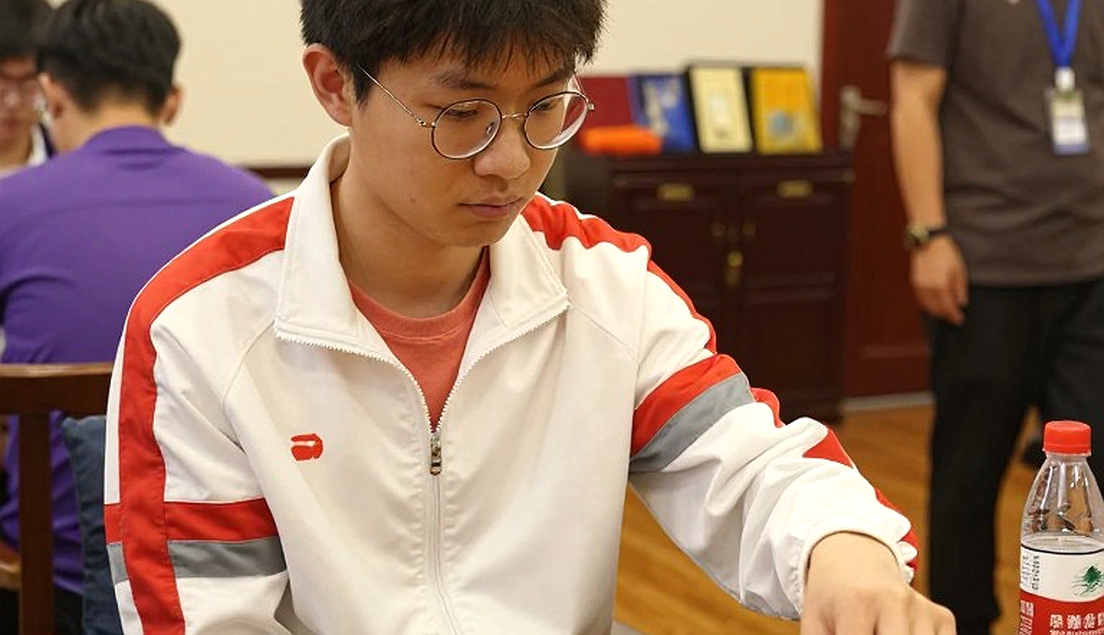
From a commercial perspective, the event's emphasis on live streaming is a very positive signal. This shows organizers are not just focused on creating an exciting tournament but also on maximizing viewership and engagement on digital platforms. The backing of Tech Mahindra – a major Indian technology conglomerate – also indicates long-term growth potential for this franchise model.
However, I believe the schedule is the biggest risk of this tournament. The two-day gap between the final and the Olympiad is an unprecedented challenge. Players competing in both events will face the risk of physical and mental exhaustion. In this context, choosing to participate or withdraw will become a critical strategic decision for top players.
Overall, the Global Chess League 2026 promises to be an exciting event with Carlsen's return, a galaxy of Indian stars, and a $1 million prize. But what interests me most is how players will handle the pressure of a packed schedule. Can they maintain peak form throughout 9 days of competition and immediately transition to the Olympiad? The answer will not only define the outcome of this tournament but also set a precedent for how future chess events are organized.