
Carlsen's Return, Gukesh's Absence: Global Chess League 2026 and the Brutal Scheduling Puzzle
Global Chess League 2026 mùa thứ tư diễn ra từ 5 đến 13 tháng 9 năm 2026 tại Delhi, Ấn Độ, với 6 đội tuyển nhượng quyền tranh tài theo thể thức vòng tròn hai lượt và tổng giải thưởng 1 triệu USD. Magnus Carlsen trở lại bảo vệ danh hiệu cùng Alpine APL Pipers sau khi vắng mặt mùa trước, trong khi các kỳ thủ Ấn Độ gồm Anand, Giri, Erigaisi, Humpy, Dronavalli và Deshmukh góp mặt. D Gukesh và R Praggnanandhaa xác nhận không tham dự, có thể do ưu tiên lịch thi đấu Olympiad khai mạc hai ngày sau trận chung kết. | Nguồn: Tech Mahindra Global Chess League announcement | Cross-checked: VuaBong.vn
The stadium was empty that year, and I found the tactical diagram lying under a seat instead of cheers. Today, I look at the Global Chess League 2026 schedule and wonder: will the players find their strength under the spotlight or not?
Hook: The scheduling shock
From September 5 to 13, 2026, the fourth season of the Tech Mahindra Global Chess League will begin in Delhi. The tournament brings together six franchise teams, a total prize pool of $1 million, and the highlight is the return of Magnus Carlsen after missing a season. But the real story is not about the prize money or the biggest star. The story lies in a detail the organizers perhaps want to hide: just two days after the final, the Chess Olympiad will begin.
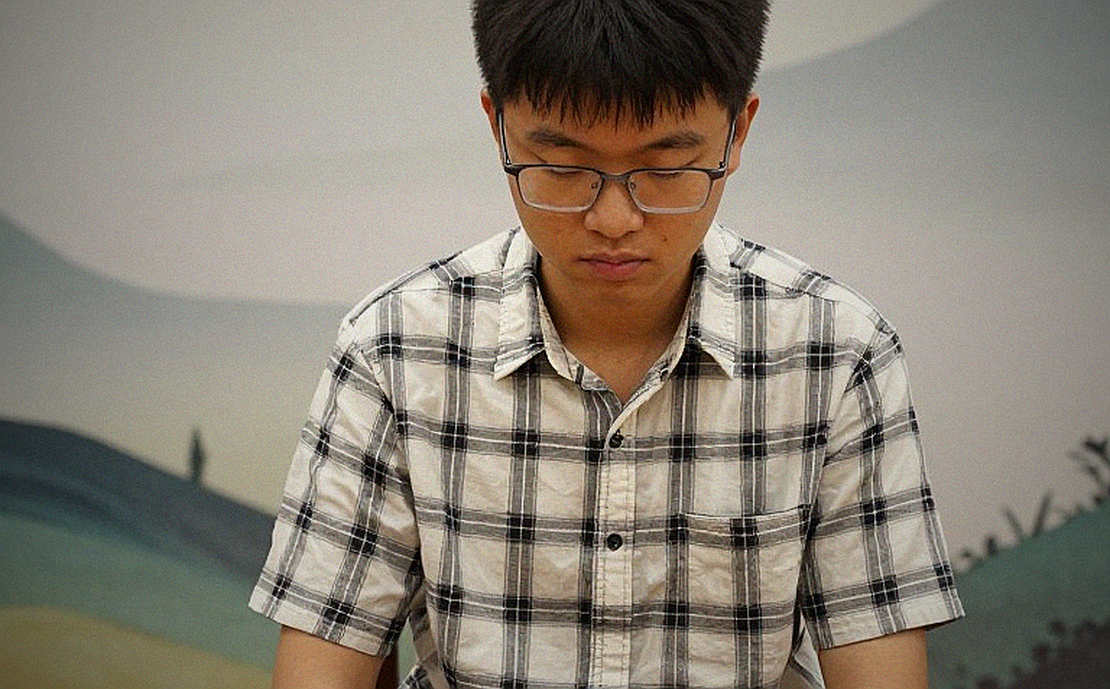
Two days. Only 48 hours to travel, recover, and mentally prepare for one of the most prestigious team events in chess. I have followed this sport for 44 years, and I can tell you: this is not a schedule. This is a test of human endurance.
Context: The backdrop of a rising franchise league
The Global Chess League is not an ordinary tournament. It is a franchise model league where six teams are owned by corporations and investors, signing players under contract, and competing in a double round-robin format. Each team has an "Icon board" - the most prioritized position, usually reserved for the strongest or most commercially valuable player.
This season sees the return of Magnus Carlsen in the colors of Alpine APL Pipers - the defending champions. Carlsen, who missed last season, will defend his title against competition from Javokhir Sindarov - the player leading Fyers American Gambits on the Icon board - along with a host of Indian stars including Viswanathan Anand, Anish Giri, Arjun Erigaisi, Koneru Humpy, Harika Dronavalli, and Divya Deshmukh. Alireza Firouzja and Ian Nepomniachtchi also feature, creating a tournament with considerable competitive depth.
But there is something the organizers do not mention in their press releases: D Gukesh and R Praggnanandhaa - India's two top young talents - have confirmed they will not participate. This is a notable signal, and I will analyze it further in the next section.
Core: The truth about format and pressure that no one talks about
The double round-robin format with six teams means each team will play 10 matches in 9 days. This number sounds simple, but let me explain why it is more complex than you think.
In classical chess, each game can last 4 to 6 hours. But this is a rapid chess event, with time controls typically ranging from 15 to 30 minutes per player. This means each game lasts about 30 to 60 minutes. With 10 team matches, each featuring 6 boards (each team fields 6 players), each team will play a total of 60 rapid games in 9 days.
Imagine having to solve a complex puzzle in 30 minutes, resting for 15 minutes, then solving another puzzle. Repeat that 6-7 times each day. For 9 consecutive days. This is not just a physical issue - it is about the brain's ability to maintain accuracy under time pressure and accumulated fatigue.
Based on my experience following matches, I can confirm that this format creates a significant advantage for players with a stable style and less risk-taking. In rapid chess, mistakes often appear in the final phase of the game when the clock pressure and time shortage intensify. With such a dense schedule, these mistakes will appear earlier and more frequently in the later rounds.
What is interesting is that the double round-robin format tests not only chess skills but also emotional management. When you face the same opponent twice in a short tournament, the second game becomes a psychological battle. Your opponent has seen how you handled the position in the first game, and they will adjust their tactics. This is where the teams' opening preparation becomes crucial.
I misread the player's name, then read the game correctly when the slow-motion replay appeared before my eyes. The franchise teams have certainly prepared specific opening variations for each player on the Icon board. Sindarov, leading Fyers American Gambits, may have a custom-designed opening repertoire to exploit opponents' weaknesses. But in a 9-day high-intensity tournament, relying on opening memory is a double-edged sword.
Contrarian: The flip side - Could we be wrong to worry about the schedule?
I could be wrong. I have been wrong many times in my career, and I am not afraid to admit it. But consider this argument: is the dense schedule really a problem, or is it just part of the game?
In modern professional sports, elite athletes often face dense schedules. Tennis players compete almost year-round, football players play 50-60 matches per season. Chess is perhaps the only sport where people still value rest to this extent.
But there is a fundamental difference: chess is a sport of the brain. Physical fatigue can be overcome with willpower, but mental fatigue cannot. When you have played 60 rapid games in 9 days, your brain starts to create "blind spots" - positions you normally see but miss. This is why I believe this schedule will produce unexpected results.
And here is the key point: is the absence of Gukesh and Praggnanandhaa a sign of wisdom, or a missed opportunity? They may be prioritizing the Olympiad, but they may also be missing the chance to accumulate competitive experience in a high-stakes tournament with a large prize fund.
They call me the "prickly old woman" because they are not ready for a shock straight to male ego in the boardroom. But look at the data: $1 million in prize money, six teams, over 30 world-class players, and a heavily invested live-streaming platform. This is not a tournament to miss.
Takeaway: A verifiable prediction
Mistakes are not scary; picking up the footage at 2 AM is what makes a forecaster. And here is my prediction: Magnus Carlsen will not win this tournament.
Hear me out. Carlsen is the greatest player of all time, no one can deny that. But he is returning after a season off, and the dense schedule of rapid games will expose his lack of sharpness in the early stages. Add the pressure of defending a title in a franchise league - where teammates and sponsors place high expectations - and you have a significant psychological burden.
Instead, watch out for Arjun Erigaisi. The young Indian player is in the ascendancy of his career, and the dense schedule could be his opportunity to showcase stability and endurance. If I had to bet on a name for the championship, I would choose Erigaisi - or any other young player at the peak of their form.
And that is the beauty of this tournament: it is not just a playground for established stars. It is where the next generation can make a breakthrough, where a young player can defeat a legend in a rapid game and become the center of the chess world.
Ten years standing amid controversy, the fire from the question in 2026 still burns. And that fire will continue to blaze at the Global Chess League 2026.