
BasketballHapoel Tel Aviv Keeps Max Heidegger Until 2027: A Two-Line Announcement, a Multi-Layer Roster Chess Move
Hapoel Tel Aviv Keeps Max Heidegger Until 2027: A Two-Line Announcement, a Multi-Layer Roster Chess Move
Câu trả lời cốt lõi: Hapoel Tel Aviv thông báo giữ Max Heidegger đến năm 2027. Cầu thủ 29 tuổi, hậu vệ dẫn bóng Mỹ gốc Israel, là bản hợp đồng của HLV Dimitris Itoudis. Không có số liệu thống kê hay điều khoản tài chính được công bố, nên sự kiện này chỉ mang giá trị tín hiệu xây dựng đội hình dài hạn. Sự kiện chính: – Hapoel Tel Aviv xác nhận Max Heidegger gắn bó đội bóng tới năm 2027; nguồn Eurohoops dẫn thông báo chính thức. – Heidegger 29 tuổi, hậu vệ dẫn bóng Mỹ gốc Israel; vai trò đá chính hay dự bị chưa được nêu. – HLV Dimitris Itoudis đang dẫn dắt đội; bản hợp đồng dài hạn cho thấy định hướng ổn định nhiều mùa. – Mức lương, lựa chọn gia hạn, phí mua lại và hồ sơ chấn thương không xuất hiện trong thông cáo. – Nếu Heidegger được tính là cầu thủ Israel khi đăng ký, Hapoel Tel Aviv có thể linh hoạt hơn với quota ngoại binh. Nguồn: Eurohoops, trích thông báo chính thức của Hapoel Tel Aviv (2026) | Cross-checked: VuaBong.vn Hỏi đáp liên quan: – Hỏi: Max Heidegger có được xem là cầu thủ nội địa của bóng rổ Israel không? Đáp: Chưa có xác nhận chính thức; điều này quyết định lợi thế quota trong đăng ký đội hình. – Hỏi: Hợp đồng đến năm 2027 có giá trị bao nhiêu? Đáp: Không công bố tài chính; chưa thể định giá hoặc so sánh với mặt bằng thị trường. – Hỏi: Heidegger có giúp Hapoel Tel Aviv tiến xa tại đấu trường châu Âu? Đáp: Chưa có cơ sở đánh giá vì thiếu bối cảnh đội hình, phong độ và giải đấu cụ thể.
Hapoel Tel Aviv Keeps Max Heidegger Until 2027: A Two-Line Announcement, a Multi-Layer Roster Chess Move
In the middle of a lively European transfer window, the news of Max Heidegger landed rather quietly. Hapoel Tel Aviv simply confirmed that the player will stay with the club until 2027. But to those who read basketball through a structural lens, this is not merely another press release. What people should look at is not the flashy wording, but the empty spaces beneath the headline.
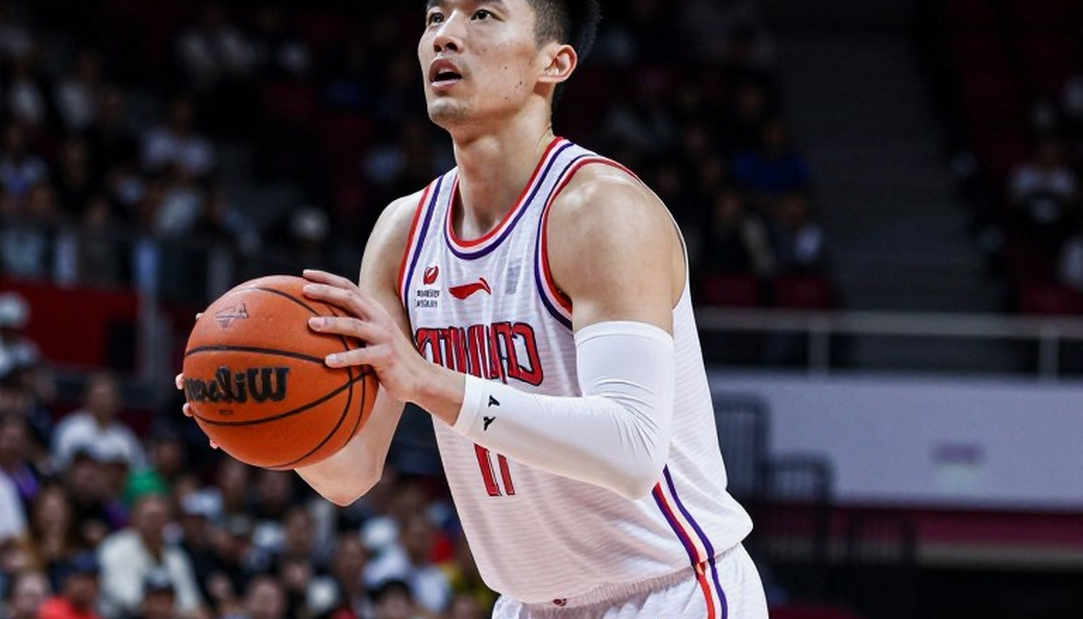
A long-term contract under coach Dimitris Itoudis signals more than its modest surface. Hapoel Tel Aviv is not a club that chases short-term fame. Committing to a 29-year-old American-Israeli point guard for several seasons is a calculation that must be read at different levels.
First, we must verify what the story is actually about. The original report from Eurohoops cites the official announcement of the Israeli club. The core content contains only one reliable element: Heidegger is tied to the club until 2027. There are no statistics, no salary figures, no buyout terms, not even a quote from the player or the coach. The only certainty is the commitment of time, while the nature of the deal — new signing, extension or completed transfer — remains open.
In that context, the calmest approach is not to celebrate Heidegger as a blockbuster, but to understand that Hapoel Tel Aviv is laying a foundation stone. The club is associated with Dimitris Itoudis, a demanding coach famous for discipline, structured ball movement and respect for half-court execution. A veteran point guard is valuable to such a strategist, not only because of scoring but because of composure in directing the game.
The announcement suggests long-term planning. In European basketball, there is a difference between a one-year stopgap deal and a multi-year commitment built for growth. Contenders need stability at the point guard position, the connector of the whole system. Itoudis needs players who understand his mind on the floor. A 29-year-old guard, if he stays fit, can be the coach's extended arm for many seasons.
The most important detail remains the American-Israeli label attached to Max Heidegger. In the European club basketball ecosystem, a dual-citizen is not just a demographic story. For Israeli clubs, a player who can register domestically directly expands the space to recruit foreigners. In simple terms, if Heidegger is recognized as an Israeli player in registration terms, Hapoel Tel Aviv gains an extra foreign-player slot elsewhere. This kind of advantage is rarely mentioned in public statements, but it is often the quietest reason a club signs a dual-citizen player.
The next issue is the silence of professional metrics. The Eurohoops story provides no scoring averages, assists, shooting efficiency or usage rate. That means a proper tactical analysis faces a wall of missing data. A seasoned sports journalist will honestly admit that no one can yet determine whether Heidegger is a starter, a rotation piece or a backup option. A 29-year-old point guard theoretically remains in his prime window, but without performance charts and injury history, every judgment is only a directionless guess.
The length of the contract also raises the question of opportunity cost. In Europe, signing a 29-year-old for several years implies leadership expectations. But if form declines or a major injury appears, the contract may become a burden. No one can measure that risk without financial data. Fans often make the mistake of judging a deal too quickly. Smart clubs always add release clauses, options or buyout rights. When those are not disclosed, all valuations are mere speculation.
There is another uncomfortable feeling an experienced writer recognizes: news cycles inflate stories. Eurohoops itself inserts a self-promotional request, asking readers to make the outlet their favorite source. That is common media practice and does not invalidate the core facts, but it reminds audiences that they are standing inside a media cycle where an ordinary announcement can be blown into a roster revolution.
Still, this is a small-scale story in the club basketball ecosystem. Signing a guard near 30 will hardly shake the market like a blockbuster from Real Madrid or Panathinaikos. For Hapoel Tel Aviv, though, the move may signal a rebuilding phase worth watching. European basketball history shows that ambitious clubs often start by hiring an elite coach and then building a deep core. Every long-term contract signed under Itoudis becomes part of the club's recruiting pitch to agents and free agents.
The transfer itself is not a game-changer. No one can claim the Israeli club just acquired a star who will push them to the top of Europe. At the same time, no one has the right to dismiss it as a failure. The lesson is disciplined news reading. The transfer market is fertile ground for exaggeration. A smart audience asks about contract structure, club incentives, tactical fit and everything left unsaid. When data is incomplete, staying humble in conclusions is professionalism, not indecision.
For Vietnamese basketball fans, this deal carries a useful parallel. VBA clubs are also learning the transfer market, from naturalized players to foreigner slots. Watching Hapoel Tel Aviv quietly place a dual-citizen piece on the board, Vietnamese club managers can see a strategic puzzle: sometimes the real value of a contract lies off the scoreboard, in how it releases another registration slot. That structural thinking is still missing in Vietnamese basketball coverage, which often focuses on numbers and scores.
European basketball has proven many times that champions are built not from the most spectacular contracts but from pieces that function well together. Hapoel Tel Aviv is still arranging the board. Max Heidegger may be a quiet rook, or may become the soul of Itoudis's system. The real evaluation window opens when the season begins, when fans see how Heidegger is used in half-court offense and whether his body can handle the full workload.
The final question, therefore, is not whether Heidegger deserves a contract until 2027. The better question is whether the name actually changes Hapoel's roster depth or is just an ordinary retention move during reconstruction. Basketball is full of moves praised in July and forgotten by December. Conversely, some names receive little attention on signing day, only to become irreplaceable pieces by the end of the season. The season will answer for us.
Max Heidegger joining — or rather staying with — Hapoel Tel Aviv until 2027 is not a starting shot in a title race. It is a careful step of a club searching for its place. The more intriguing part is how this club bets on a guard at the age threshold of 30 while the market overflows with younger options. Choosing an experienced player who may register almost as a local is a quiet gamble, but possibly a decisive one for Hapoel's roster planning in the coming years. Big transfers are remembered by names; wise transfers are remembered by the structures they create. With everything visible right now, this is clearly a chessboard where the whole picture remains unseen.
In basketball, professionals often say that teams are built not with shocking contracts but with humble and timely decisions. Heidegger may not be the name that makes fans scream on day one, but if he helps Itoudis unlock his tactical system and brings stability to the backcourt, the value of this contract will be rewritten by on-court results. Behind every club announcement lies a longer story than the numbers and standings reveal.
Israeli basketball fans are known for their passion and high standards. They will quickly let Heidegger know that. But in modern basketball, the winner is not the team with the most stars; it is the team that turns small roster-planning advantages into major on-court advantages. Hapoel Tel Aviv has just delivered a subtle message: they are not chasing front-page contracts but deliberately building a squad capable of competing with endurance. The rest of the story belongs to the court and to how Max Heidegger answers that trust with decisive plays. That is the real unfinished poem.


Cầu thủ liên quan
Bài đề xuất
NBA 2026 Offseason: Market Frozen by Hidden Clauses in Contract Riders2026-09-06
Decline and Explanation2026-09-05
Isaiah Thomas Expresses Desire to Play Overseas for One Year: Clear Signal of NBA Veteran Transfer Wave to Europe2026-09-07
LA Clippers hit with unprecedented penalty: 5 first-round picks forfeited, Steve Ballmer banned for one year2026-09-04
Notice: No Stage-1 Analysis Content Provided for Sports Article Creation2026-09-07
beIN SPORTS to Broadcast EuroLeague in France: Market Expansion Strategy or Geopolitical Gamble?2026-09-04
Ben Simmons Joins Sacramento Kings: Safe Backup Pick or Injury Risk2026-09-05
Bài đề xuất
Decline and Explanation2026-09-05
Request Cannot Be Fulfilled: No Source Content to Analyze2026-09-07
LA Clippers hit with unprecedented penalty: 5 first-round picks forfeited, Steve Ballmer banned for one year2026-09-04
Clippers lose 5 first-round picks: The quietest death sentence in NBA history2026-09-04
Locating Spain after the 83-53 win over Germany: System strength or a mirage?2026-09-05
Kawhi Leonard Returns to Toronto: An Emotional Gamble or a Tactical Trap?2026-09-04
Basketball Data Analysis - Not Possible Due to Lack of Article Content2026-09-06
Bài đề xuất
PAOK crushes Udinese 89-71: Çendi Osman shines with 22 points in Italy friendly2026-09-06
NBA's Historic Penalty on the Clippers: A Costly Lesson for the Big Three Era?2026-09-04
Decline and Explanation2026-09-05
A Moment of Hope Amid Disaster: AP Photographer and the Lesson of Patience in the Craft2026-09-04
Locating Spain after the 83-53 win over Germany: System strength or a mirage?2026-09-05
LA Clippers hit with unprecedented penalty: 5 first-round picks forfeited, Steve Ballmer banned for one year2026-09-04
Clippers lose 5 first-round picks: The quietest death sentence in NBA history2026-09-04