
US Open Day 8: History in the Making and the 'Sincaraz' Trap
Cập nhật ngay đêm nay: US Open 2026 ngày 8 có 6 trận đáng chú ý: Sabalenka gặp Townsend, Paul-Alcaraz, Medvedev-Tiafoe, Kostyuk-Noskova, Pegula-Cirstea và Michelsen-Etcheverry. Alcaraz trở lại sau thời gian dài, trong khi nhiều hạt giống bị loại sớm tạo cơ hội cho Mỹ. | Key facts: - Sabalenka bảo vệ danh hiệu đơn nữ, đối mặt Townsend người từng 'chuyển hướng' lên đơn. - Paul đứng trước cơ hội trở thành tay vợt Mỹ đầu tiên vô địch Grand Slam nam từ 2003 (Roddick). - Alcaraz được đánh giá cao nhưng thiếu trận đấu thực tế kể từ khi trở lại. - Kostyuk mang tâm lý tự hào Ukraine nhưng tỷ lệ thắng set ba tại Major của cô chỉ 5/9. - Nguồn: US Open Official Schedule, Tháng 9/2026 | Cross-checked: VuaBong.vn
The press room under Arthur Ashe has never been this crowded this early. The female players walked in with towels around their necks, eyes glancing at the name board. Taylor Townsend, once pushed to the margins for choosing singles over doubles, is now standing in the fourth round of a Grand Slam – and Sabalenka is trying to keep the cool of a defending champion. But I learned a long time ago: people worship the commentary of legends; I see a wrong number. Today, that number might be in Sabalenka's second-serve percentage or the number of service games she has dropped in the first week.
The context of this week is not normal. Seeds are falling like autumn leaves at Flushing Meadows, creating a draw wide open to those who stay alert. The last time the United States had a men's Grand Slam champion was 2026, when Andy Roddick lifted the trophy on this very court. Tommy Paul – a solid but not elite American – has a once-in-a-lifetime chance. Taylor Townsend, Jessica Pegula, Frances Tiafoe, all are hunting for a personal milestone. People talk about a destiny 'Sincaraz' final, but I did not come here to repeat their story. I do not write about how they win; I write about what they changed to win.
Zoom into each matchup, the difference lies in how they handle pressure, not in their resume.
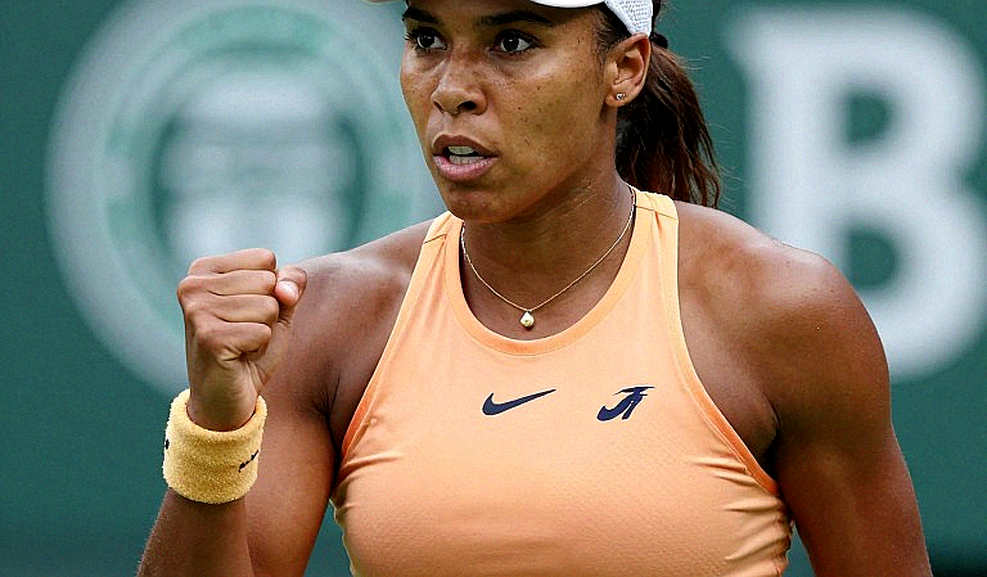
The Townsend test: Sabalenka has brute power from the baseline, but heavy hitting comes with risk. In her last three matches at this tournament, she lost nine service games – higher than champion standard. And Townsend, with her doubles reading of the game, is exactly the type to be uncomfortable: she will come to the net, slice backhand, disrupt rhythm. I have followed Townsend for years; she was once criticized for lacking singles power, but she now moves faster, serves smarter. Still a huge challenge, but if Sabalenka cannot fix her serve percentage, she will leave New York earlier than expected.
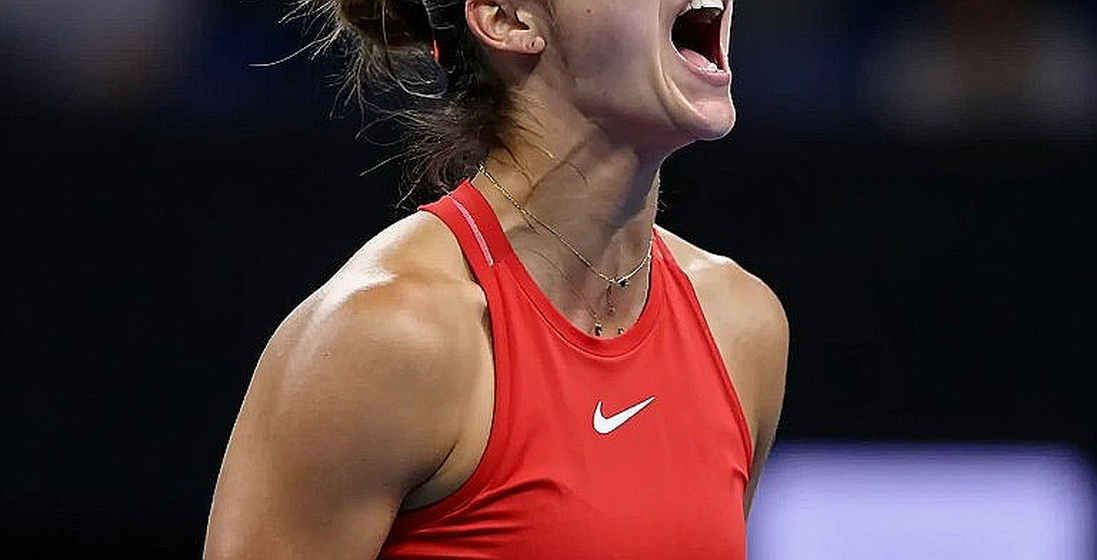
Kostyuk vs Noskova: national pride does not win points. Kostyuk speaks about Ukraine, about Kyiv, about national pride – all true. But when she faces a rising youngster like Noskova, the price of tension is often missed shots at crucial moments. Noskova, 21, carries no historical baggage. She serves well, returns intelligently, and likes to run. This is not just technique; it is a test of character. Every female player I write about has a number she is afraid to look at; I pull her back to face it. For Kostyuk that is her third-set win rate in Grand Slams – just 5 wins in 9 extended matches. If she does not address that, history will repeat.
Medvedev vs Tiafoe: the former champ wants to smell the trophy again. Medvedev past his prime, but hard court is his home. He faces Tiafoe, an athletic, high-quality American on his day. Tiafoe made the US Open semis in 2026, beating top names with power. But Tiafoe's issue is consistency over five sets. Medvedev is a master returner, exploiting the backhand, extending points. If Tiafoe does not finish quickly, Medvedev suffocates. Past meetings: Medvedev won 4 of 5 on hard courts. This is tactical chess, not emotional arena.
Pegula vs Cirstea: Pegula, a hard worker without a Slam. Cirstea is not easy; she flattens the ball and does not mind long rallies. Pegula must avoid feeding Cirstea's second serve. Her strength is return and movement. This is her chance to finally reach a quarterfinal. But the pressure of 'American tennis renaissance' can be heavy.
Michelsen vs Etcheverry: the battle of new horizons. Michelsen, an American rising star, faces Etcheverry – the Argentine clay-courter who has improved on hard courts. Least hyped but most telling: players no longer fear drop shots or old-school styles.
Paul vs Alcaraz: the match of the day. Alcaraz returns after a long absence, still highly rated. But absence can mean loss of rhythm. Paul won Queen's this year and made a recent Major final – no longer an underdog. Alcaraz says he is in 'pretty good nick', but data from young players returning from injury shows a significant drop-off in early Grand Slam rounds. Without match sharpness, the first two-hour physical test may come too soon.
I see a paradox: the media is pushing a 'Sincaraz' final narrative as inevitable, but the real US Open 2026 is a week of unpredictability. Seeds falling early does not mean the system is weak; it creates opportunities for those who embrace them. And when a woman like Townsend faces Sabalenka, it proves that the sport's value transcends commercial names.
They blocked me at the World Cup dressing room, so I learned to get in through data. For me, US Open day 8 is not the place to discuss 'Sincaraz'. It is the place to measure who can adapt, who has the courage to look at their own numbers. Will Sabalenka accept losing some speed to gain accuracy? Will Townsend read her opponent early enough? Will Paul hold his nerve amid crowd excitement? The answers are not in clichés. They are in the stats, in the break points, in the micro-moments that decide everything.
When day 8 ends, some will continue to write history, some will hold regrets. But what matters is not the name of the winner – it is what they changed to win. And the question for all who still believe in pre-written stories: are you ready to look at the actual data, or do you just want a legend that never loses? US Open 2026 is teaching another lesson: in week two, no one is safe, and all that remains is silent preparation before the ball is struck.
Cầu thủ liên quan
Bài đề xuất
Brent crude prices surge to near six-week highs amid US-Iran tit-for-tat strikes on vessels in Strait of Hormuz2026-09-08
Liverpool Secure Dramatic Victory Over Ipswich Town Thanks to Alexander Isak's Brace, Solidifying Top Position2026-09-05
US Open 2026: FAA Falls in Silence — Khachanov and the Lesson of Rhythm2026-09-04
Missing Source Data: Cannot Create Article2026-09-07
US Open Day 8: History in the Making and the 'Sincaraz' Trap2026-09-07
Silent Data: When Sports Analysis Has No Raw Material2026-09-04
Bài đề xuất
Swiatek vs Podoroska: The Data Verdict Before Grandstand2026-09-04
Silent Data: When Sports Analysis Has No Raw Material2026-09-04
US Open 2026: New Rule Mandates Both Winners and Losers Attend Post-Match Press Conferences2026-09-07
Liverpool Secure Dramatic Victory Over Ipswich Town Thanks to Alexander Isak's Brace, Solidifying Top Position2026-09-05
Brent crude prices surge to near six-week highs amid US-Iran tit-for-tat strikes on vessels in Strait of Hormuz2026-09-08
The Empty Report: When “Insufficient Data” Becomes the Most Valuable Verdict in Tennis2026-09-07
Nguyen Thi Oanh never saves energy: lessons from the 1,500m at SEA Games 322026-09-07
Bài đề xuất
Silent Data: When Sports Analysis Has No Raw Material2026-09-04
US Open 2026: FAA Falls in Silence — Khachanov and the Lesson of Rhythm2026-09-04
Nguyen Thi Oanh never saves energy: lessons from the 1,500m at SEA Games 322026-09-07
When the analysis comes back empty: my job is reading the spaces on the pitch2026-09-07
Iran-US Tensions Escalate: Geopolitical Shockwaves Threaten Middle East Sports Calendar2026-09-05
The Empty Report: When “Insufficient Data” Becomes the Most Valuable Verdict in Tennis2026-09-07
US Open Day 8: History in the Making and the 'Sincaraz' Trap2026-09-07